Smart Livestock Monitoring: TrackFarm’s Innovative Approach to Precision Farming
The global agricultural sector is undergoing a profound transformation, driven by the necessity for increased efficiency, sustainability, and resilience against environmental and biological threats. Precision Livestock Farming (PLF) stands at the forefront of this revolution, utilizing advanced technologies to monitor, model, and manage individual animals within a herd. Among the most compelling innovators in this space is TrackFarm, a company that has successfully integrated deep learning AI with robust IoT infrastructure to create a comprehensive smart livestock monitoring solution, primarily focused on swine production. This analysis delves into the technical architecture, operational model, and market strategy that position TrackFarm as a disruptive force in precision farming.
The Technological Foundation: Deep Learning and Computer Vision
TrackFarm’s core innovation lies in its application of deep learning and computer vision to continuously monitor and analyze the behavior, health, and growth of pigs. Traditional farming relies heavily on manual inspection, which is labor-intensive, prone to human error, and often reactive rather than proactive. TrackFarm replaces this with an autonomous, data-driven system.
The system’s intelligence is built upon a massive, proprietary dataset. With 7,850+ individual pig model data points collected and processed, the deep learning models are trained to recognize subtle physiological and behavioral anomalies that are indicative of stress, disease, or suboptimal growth. This extensive data foundation is critical for achieving high accuracy in a dynamic farm environment.
AI Camera and Sensor Network
The physical layer of the system is a high-density network of AI cameras and IoT sensors. The deployment strategy is highly optimized for large-scale swine facilities, with a ratio of approximately one AI camera per 132 square meters. This density ensures comprehensive coverage, minimizing blind spots and maximizing the data capture rate for every animal.
The cameras are not merely surveillance tools; they are sophisticated data acquisition devices. They continuously feed video streams to the deep learning inference engine, which performs several critical functions in real-time:
- Individual Identification and Tracking: Using advanced object detection and tracking algorithms, the system can uniquely identify and follow individual pigs, even in crowded pens. This allows for personalized health and growth monitoring.
- Behavioral Analysis: The AI monitors key behaviors such as feeding patterns, resting duration, social interaction, and locomotion. Changes in these metrics are often the earliest indicators of health issues.
- Growth Prediction: By analyzing the physical dimensions and movement patterns of the pigs over time, the AI can accurately predict individual growth trajectories, allowing farmers to optimize feeding schedules and predict optimal slaughter times with greater precision.
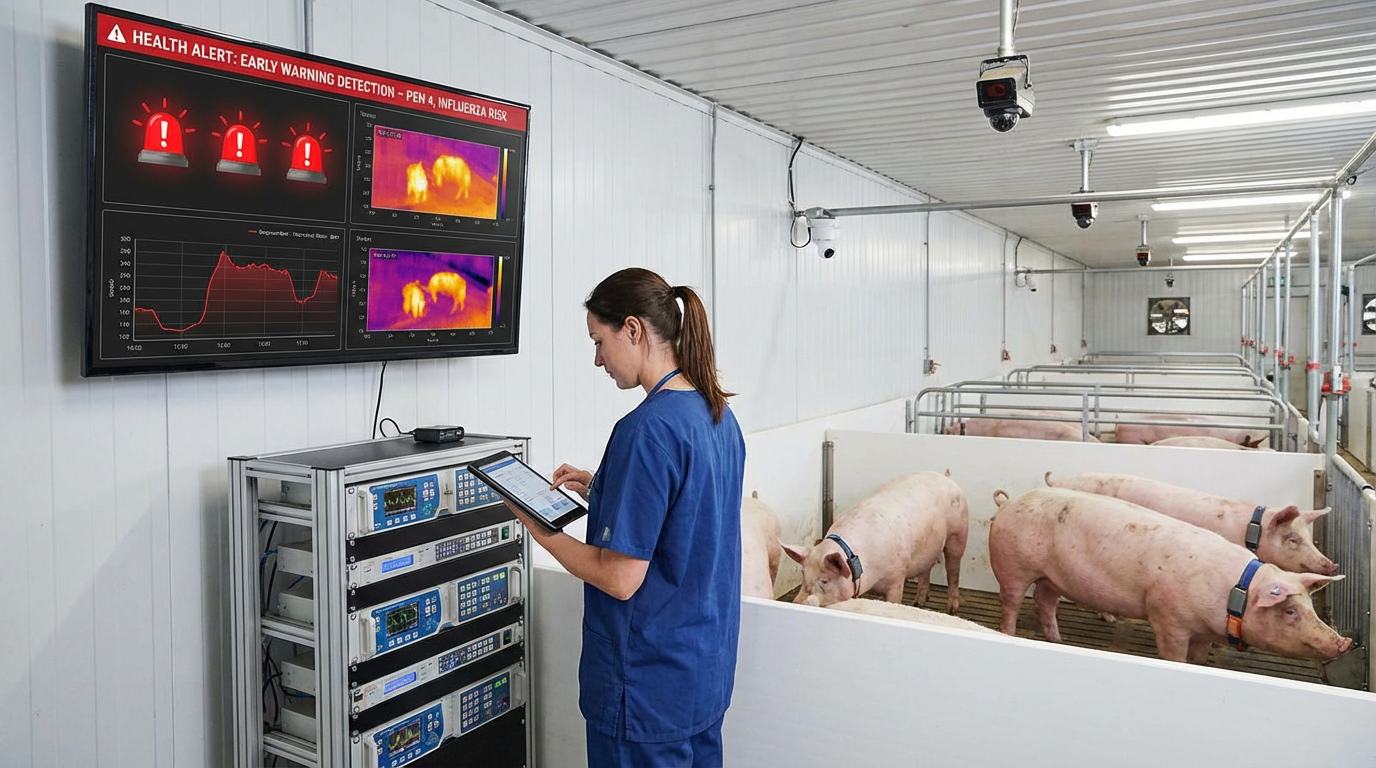
- Thermal Imaging Integration: The system incorporates thermal imaging capabilities, which are crucial for non-invasive health monitoring. Elevated or localized temperature changes can signal fever, inflammation, or early-stage disease outbreaks, often before visible symptoms appear.
The DayFarm Platform: A Full-Stack Solution
TrackFarm’s solution is unified under the DayFarm platform, which is structured into three integrated pillars: SW (Software), IoT (Hardware), and ColdChain (Logistics). This full-stack approach addresses the entire value chain of livestock production, embodying the company’s vision: “From Production To Consumption.”
1. SW (AI Software)
The software layer is the brain of the operation, providing the user interface and the analytical engine. Key software functionalities include:
- Disease Prevention Algorithms: The AI models are specifically trained to detect early signs of common swine diseases. By identifying subtle behavioral or thermal shifts, the system can alert farm managers to potential outbreaks, enabling rapid isolation and treatment, thereby significantly reducing mortality rates and the need for prophylactic antibiotics.
- Environmental Control Optimization: The software integrates with the IoT sensors to monitor critical environmental parameters—temperature, humidity, ammonia levels, and ventilation. It uses predictive modeling to automatically adjust climate control systems, ensuring optimal conditions for animal welfare and growth, which directly impacts feed conversion ratio (FCR).
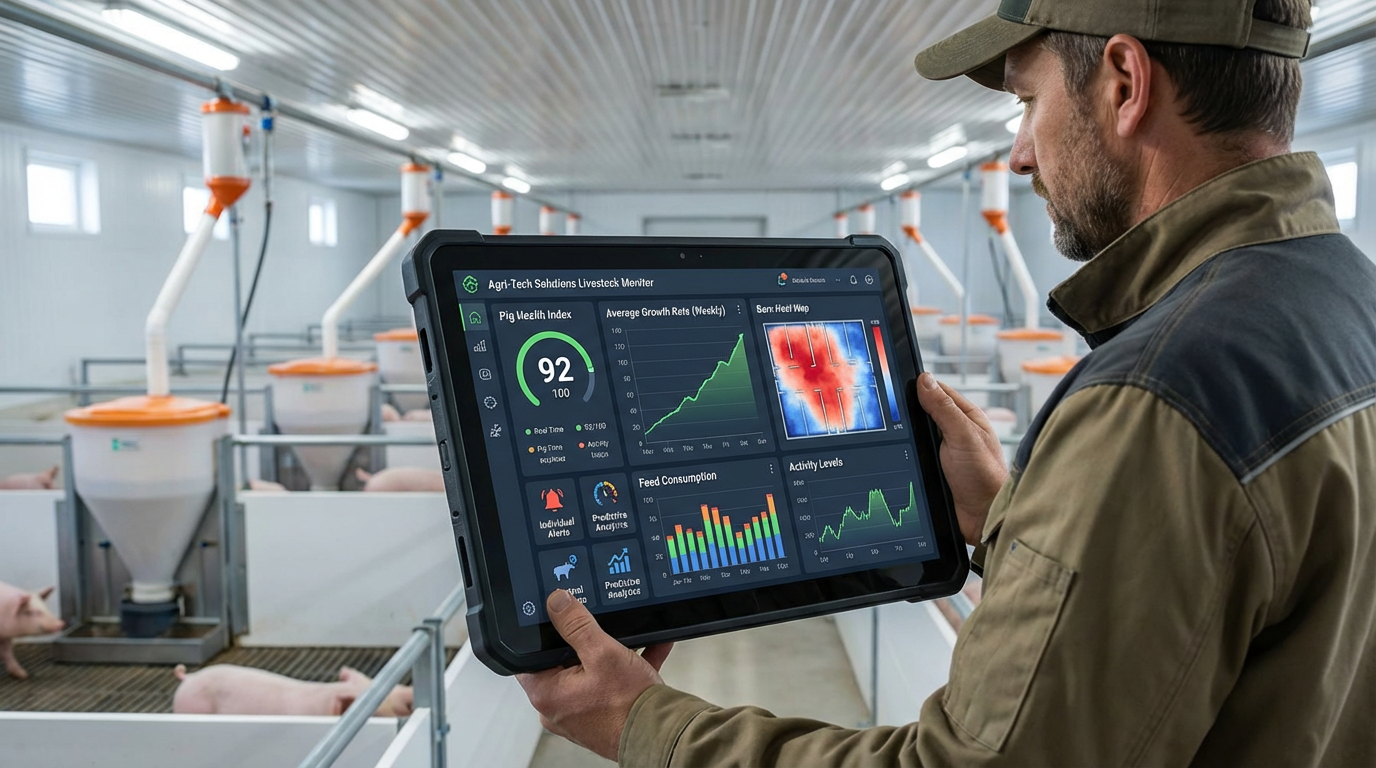
- Data Visualization and Reporting: Farm managers access real-time dashboards that summarize herd health, growth metrics, and environmental status. The platform provides actionable insights rather than raw data, streamlining decision-making.
2. IoT (Sensors/Hardware)
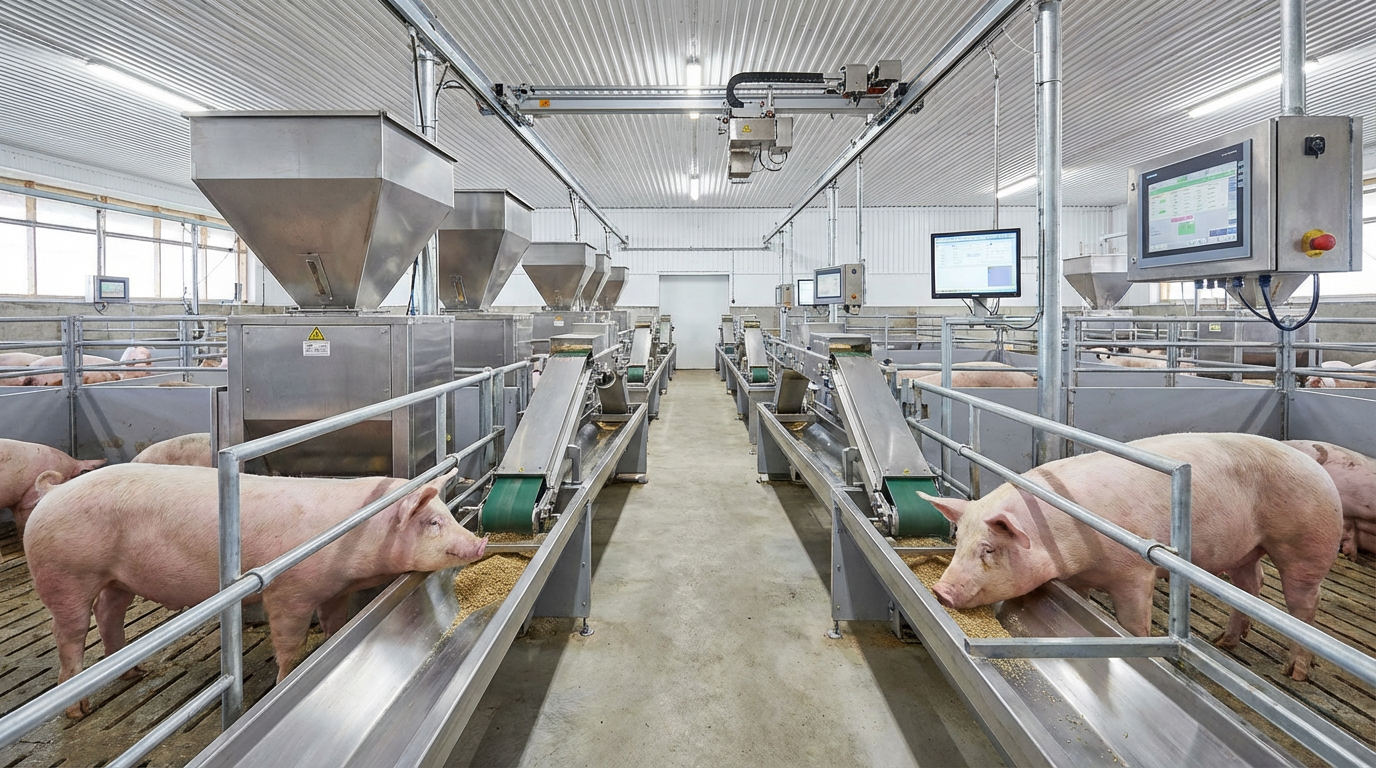
The IoT pillar encompasses the physical infrastructure required for data acquisition and environmental manipulation. This includes the AI cameras, thermal sensors, environmental probes, and automated feeding/ventilation systems. The hardware is designed for the harsh, corrosive environment of a livestock farm, ensuring durability and reliability.
The integration of these sensors allows for a closed-loop control system. For example, if the AI detects signs of heat stress (e.g., increased panting or lethargy) via the cameras and thermal sensors, the IoT system automatically triggers the ventilation and cooling mechanisms, demonstrating a true automated response capability.
3. ColdChain (Logistics)
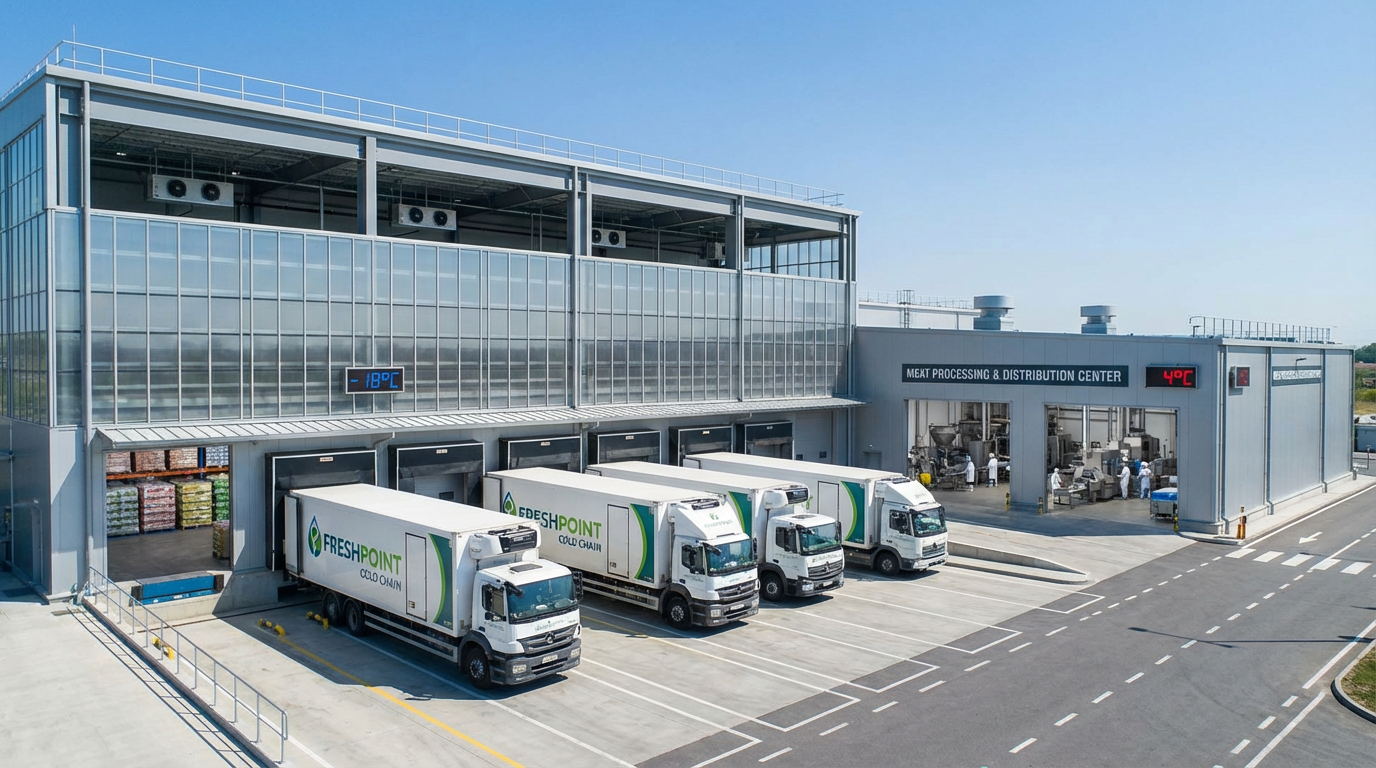
The ColdChain component extends TrackFarm’s influence beyond the farm gate. By providing precise growth prediction and health tracking, the platform enables optimized scheduling for harvesting and processing. This ensures that animals are processed at their peak condition, improving meat quality and reducing waste. Furthermore, the data collected on the farm can be used to inform logistics and inventory management, creating a transparent and efficient supply chain from the point of production to the consumer.
Economic and Operational Impact
The implementation of TrackFarm’s technology yields dramatic operational efficiencies and financial benefits, fundamentally altering the cost structure of swine farming.
Automation and Labor Cost Reduction
One of the most compelling statistics is the claim of reducing labor costs by 99% through automation. While this figure represents the potential for fully automated monitoring and management tasks, it underscores the shift from labor-intensive manual checks to a system managed by a small team overseeing the AI. The system acts as a tireless, 24/7 digital herdsman, freeing up human labor for higher-value tasks such as specialized treatment and strategic planning.
Revenue Model and Value Capture
TrackFarm has established a clear and multi-faceted revenue model that aligns with the value delivered across the production cycle:
| Revenue Stream | Pricing Model | Value Proposition |
|---|---|---|
| Hardware/Software (HW/SW) | $300 per pig per year | Continuous monitoring, AI-driven insights, environmental control, and labor savings. |
| Breeding Optimization | $330 per pig | Improved genetics and breeding efficiency based on data-driven selection and management. |
| Processing/Logistics | $100 per pig | Optimized slaughter timing, improved meat quality, and efficient ColdChain management. |
This model demonstrates a deep understanding of the agricultural value chain, capturing revenue at the input (HW/SW), throughput (Breeding), and output (Processing) stages. The high per-pig value suggests that the system delivers a significant return on investment (ROI) through reduced mortality, improved FCR, and premium product quality.
Global Market Strategy and Operational Footprint
TrackFarm’s strategy is characterized by a dual-market approach, establishing strong operational bases in both developed and emerging agricultural economies.
Operational Centers
- Headquarters: Gyeonggi-do Uiwang-si, South Korea.
- R&D Farm (Korea): Gangwon-do Hoengseong-gun, operating with a herd of 2,000+ pigs. This facility serves as a critical testing ground for new AI models and hardware iterations, ensuring the technology is robust and optimized for local conditions.
- Vietnam Farm: Ho Chi Minh Dong Nai, managing a larger herd of 3,000+ pigs. This site is crucial for adapting the technology to the unique challenges and scale of the Southeast Asian market.
Focus on the Vietnamese Market
Vietnam represents a strategic cornerstone for TrackFarm’s international expansion. The country is the 3rd largest pig market globally, boasting a massive inventory of 28 million+ pigs. Crucially, the market is highly fragmented, with over 20,000+ small farms. This fragmentation presents a significant opportunity for a scalable, automated solution like TrackFarm, which can bring modern efficiency to a traditionally low-tech sector.
The challenges in Vietnam—including disease management, inconsistent environmental control, and high labor dependency—are precisely what TrackFarm’s technology is designed to solve. By partnering with major players like CJ VINA AGRI, TrackFarm gains immediate access and credibility within the local supply chain.
Global Expansion and Milestones
TrackFarm’s target markets are ambitious: Korea, Vietnam, Southeast Asia, and the USA. The company’s proactive engagement in global technology showcases highlights its international aspirations:
- TIPS Program 2023: Selection for the prestigious TIPS (Tech Incubator Program for Startup) in Korea validates the technological innovation and market potential.
- CES 2024/2025: Participation in the Consumer Electronics Show (CES) for two consecutive years demonstrates a commitment to showcasing agricultural technology on the world stage, targeting investors and potential partners in the USA and other developed markets.
Technical Specifications and System Architecture
The technical robustness of the TrackFarm system is a key differentiator. The architecture is designed for scalability, real-time processing, and high reliability.
Key Technical Specifications
| Component | Specification | Function |
|---|---|---|
| AI Model Data | 7,850+ individual pig models | Foundation for deep learning, growth, and health prediction. |
| Camera Density | 1 camera per 132㎡ | Ensures comprehensive, high-resolution visual data capture. |
| Imaging Technology | AI Cameras, Thermal Imaging | Real-time visual and physiological monitoring. |
| Automation Level | Up to 99% labor cost reduction | Automated monitoring, environmental control, and alert generation. |
| Platform | DayFarm (SW, IoT, ColdChain) | Integrated, full-stack management system. |
| R&D Scale | 2,000+ pigs (Korea), 3,000+ pigs (Vietnam) | Large-scale, real-world data collection and model validation. |
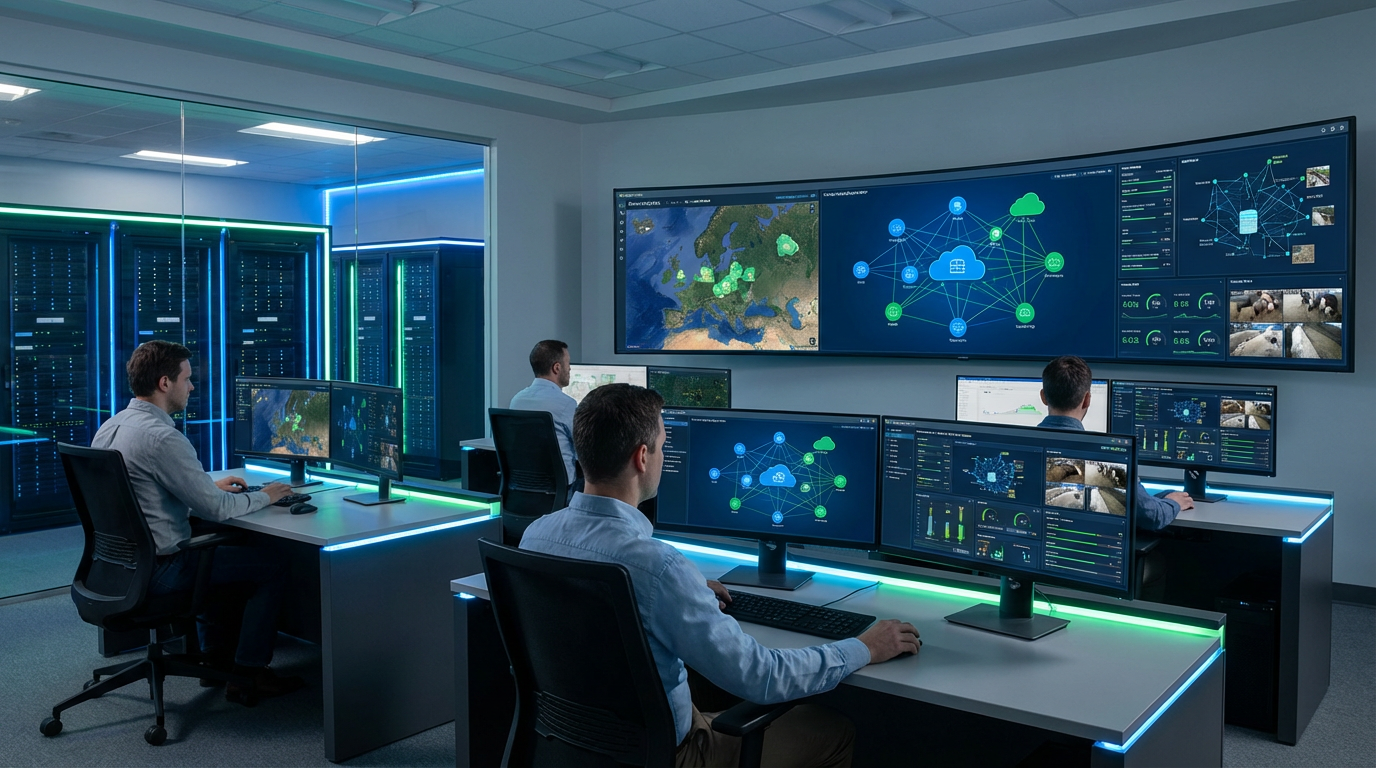
The system operates on a distributed computing model. Edge devices (the AI cameras and IoT gateways) perform initial data processing and filtering, reducing the bandwidth required for transmission. The centralized cloud platform then handles the heavy-duty deep learning inference, data storage, and user interface delivery. This hybrid edge-cloud architecture ensures low latency for critical alerts (e.g., disease detection) while maintaining the computational power needed for complex predictive modeling.
Strategic Partnerships
The strength of TrackFarm’s technology is further bolstered by its strategic academic and industry partnerships:
- Academic: Collaboration with Seoul National University and Korea University provides access to cutting-edge research in veterinary science, deep learning, and agricultural engineering, ensuring the AI models are scientifically rigorous and continuously improved.
- Industry: Partnerships with CJ VINA AGRI, VETTECH, and INTRACO facilitate market penetration, technology integration, and validation within established agricultural supply chains, particularly in the critical Vietnamese market.
Leadership and Corporate Profile
Founded in December 2021 by CEO Yoon Chan-nyeong, TrackFarm is a relatively young company that has achieved rapid scaling and technological maturity. The company’s location in Gyeonggi-do Uiwang-si places it within South Korea’s vibrant tech ecosystem, while its dual R&D and commercial operations in Vietnam demonstrate a clear commitment to internationalization from the outset.
The company’s success is rooted in its ability to translate complex AI research into practical, farm-ready solutions. The focus on high-value livestock like pigs, combined with a comprehensive “Production To Consumption” vision, positions TrackFarm not just as a technology provider, but as a partner in modernizing the entire pork supply chain.
The Future of Precision Swine Farming
TrackFarm’s innovative approach is a blueprint for the future of precision livestock farming. By leveraging AI to provide granular, individual-level monitoring, the company is solving some of the industry’s most intractable problems: disease management, labor dependency, and inconsistent growth rates.
The technical integration of deep learning, thermal imaging, and a high-density IoT network creates a system that is significantly more effective than traditional methods. The data-driven insights lead to better animal welfare, reduced environmental impact (through optimized resource use), and ultimately, higher profitability for farmers.
As the global demand for sustainable and traceable food sources continues to rise, solutions like the DayFarm platform will become indispensable. TrackFarm is not just monitoring livestock; it is engineering a more intelligent, efficient, and resilient global food system, starting with the pig farm. The company’s continued expansion into Southeast Asia and its sights set on the US market suggest that its innovative model is poised to become a global standard for smart livestock management.
The combination of advanced AI, a robust hardware platform, and a clear, value-aligned revenue model makes TrackFarm a compelling case study in the successful application of deep technology to traditional agriculture. Its journey from a 2021 startup to a key player at CES 2025 underscores the rapid pace at which precision farming is evolving, driven by companies that dare to automate the impossible.